

Is a U.S.-Iran Deal Still Possible? The Latest Developments
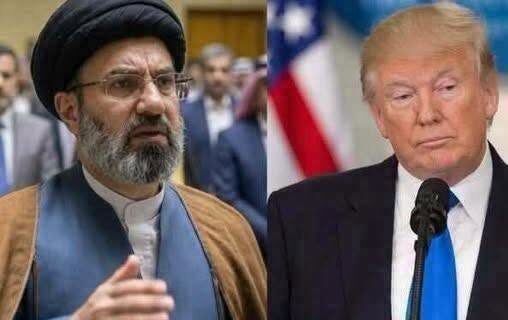
Diplomacy surrounding the conflict with Iran has entered a potentially important phase, with the Trump administration balancing negotiations, regional security concerns, and continued military readiness.
At the center of the effort are President Donald Trump, Vice President JD Vance, and Secretary of State Marco Rubio, as U.S. officials work through difficult questions involving Iran’s nuclear program, regional security, and access to vital waterways.
High-level discussions in Qatar have placed diplomacy back under the spotlight. While negotiators continue searching for common ground, the biggest challenge may be finding an agreement that both sides can accept without appearing to surrender their core interests.
For Washington, preventing Iran from developing capabilities that could threaten regional stability remains a major priority. For Tehran, any agreement would likely need to address sanctions, sovereignty, economic pressure, and guarantees about what happens after a deal is signed.
That makes the negotiations far more complicated than simply reaching a ceasefire.
A potential agreement would have to deal with several interconnected issues. Nuclear restrictions would be among the most sensitive, particularly regarding monitoring and verification. Regional security would also remain central, given the network of alliances and armed groups operating across the Middle East.Then there is the question of maritime security.
The waterways surrounding the region are crucial to international trade and energy markets. Any prolonged disruption could affect transportation costs, fuel prices, and economies well beyond the Middle East. That reality gives the negotiations a global dimension.
Yet diplomacy is taking place against a backdrop of military pressure.
The continued presence of U.S. forces in the region serves as a reminder that negotiations are unfolding alongside serious security preparations. Supporters of that approach argue that diplomatic efforts are more effective when backed by credible deterrence. Critics worry that maintaining such a posture could increase the risk of misunderstanding or further escalation.
That delicate balance may ultimately determine whether negotiations succeed.
For the Trump administration, a durable agreement could become a major foreign-policy achievement. But a rushed or fragile arrangement could create new disputes almost immediately.
For Iran, the stakes are equally significant. Economic relief could provide major benefits, but accepting restrictions or outside monitoring could generate political pressure at home.
And for neighboring countries, the priority is straightforward: stability.
The coming weeks could therefore prove consequential, but expectations must remain measured. Diplomatic breakthroughs can happen quickly, yet difficult negotiations can also stall over a single unresolved issue.
What happens next will depend on whether both sides can move beyond public demands and find terms that are workable in practice.
The world is watching because the outcome could influence not only U.S.-Iran relations, but the broader security and economic landscape of the Middle East.
Do you think diplomacy can produce a lasting agreement, or are the differences between Washington and Tehran still too wide? Share your thoughts below and join the conversation.


0 commentaires:
Enregistrer un commentaire