Top Ad 728x90

lundi 31 août 2026

Tinderbox Britain battles wildfires: Huge infernos ravage Suffolk

by


On a warm summer evening, what began as a fire on heathland in Suffolk quickly became one of several major wildfire incidents stretching emergency services across England. Firefighters worked through the night to protect nearby holiday parks while thick smoke drifted across the countryside. At the same time, other grassland fires were burning around London, highlighting how prolonged heat and dry conditions can rapidly transform vegetation into fuel.

The recent wildfires have attracted widespread attention not only because of their scale but also because they illustrate a growing environmental challenge. While dramatic images often dominate headlines, scientists explain that these events are closely linked to weather patterns, drought conditions, and changing landscapes. Understanding both the immediate response and the broader scientific context helps explain why wildfires are becoming an increasingly important issue across parts of the United Kingdom.

Wildfires Break Out Across England

Large wildfires were reported in several locations as exceptionally hot and dry weather continued across much of England.

One of the most significant incidents occurred at Dunwich Heath in Suffolk, where a heathland fire spread rapidly after beginning during the evening. Fire crews declared the incident a major emergency because of its size and the difficult conditions created by strong winds.

Around 90 firefighters were deployed to contain the blaze while working to protect nearby holiday accommodation. Approximately 200 caravans at Cliff House Holiday Park were evacuated as a precaution.

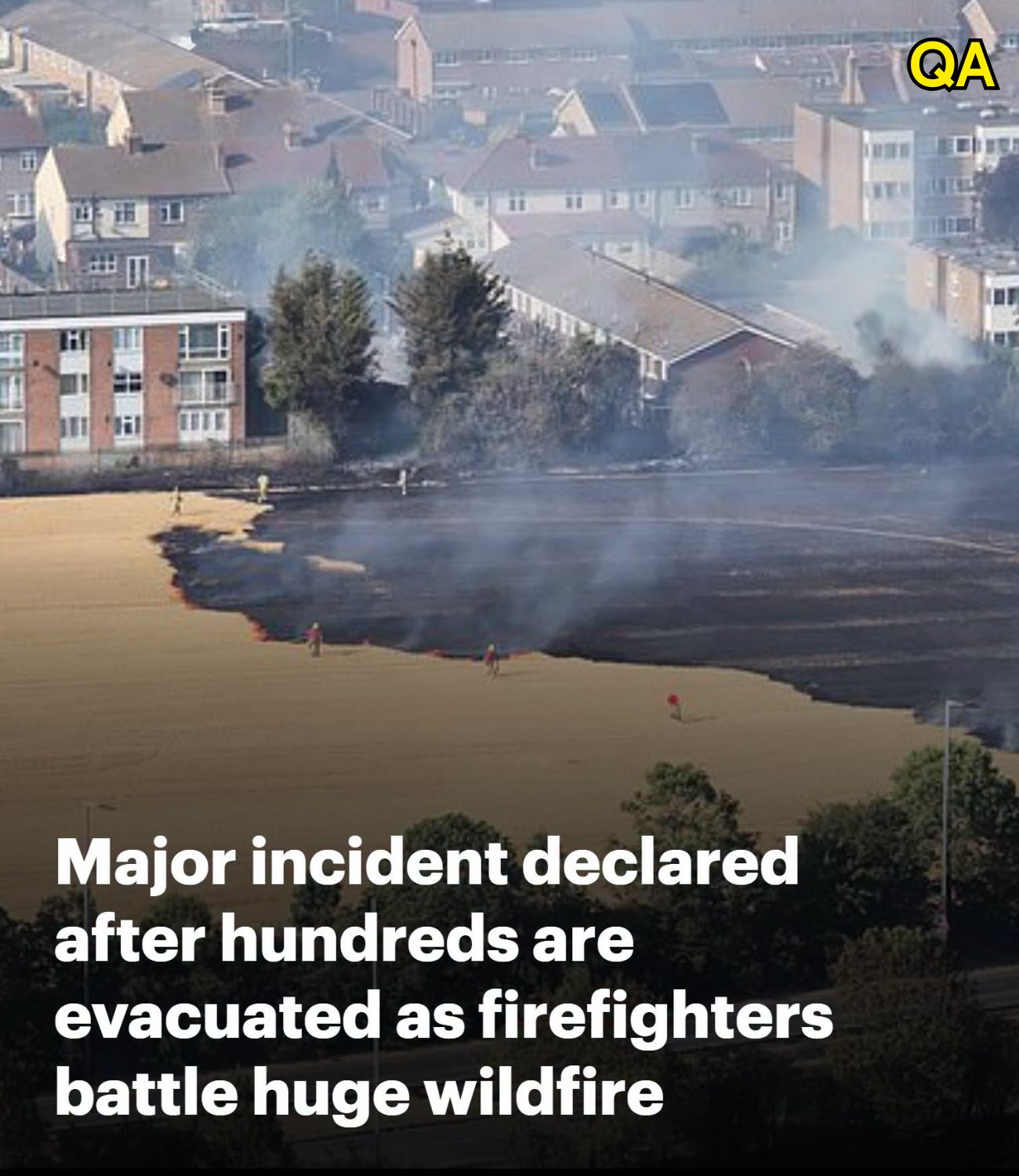
Elsewhere, firefighters responded to extensive grassland fires in Romford and Rainham in east London. Together, these incidents affected dozens of acres of dry vegetation and required significant emergency resources.

Fire crews are seen battling a fire in Romford, east London, yesterday where around 30 acres of grassland were destroyed

Why the Fire Drew Attention

The Suffolk wildfire attracted additional public interest because it was moving in the general direction of the Sizewell B nuclear power station.

Authorities emphasized that the facility itself was not considered to be under immediate threat. Nevertheless, emergency officials continued monitoring the situation carefully while concentrating efforts on controlling the surrounding wildfire.

Officials also advised nearby residents and visitors to avoid affected areas and keep doors and windows closed due to smoke.

The Role of Extreme Heat

The United Kingdom has experienced multiple periods of unusually hot weather during the summer.

Temperatures climbed into the mid-30 degrees Celsius range in some regions, while weeks of limited rainfall left vegetation exceptionally dry.

Heat alone does not create wildfires.

However, prolonged high temperatures remove moisture from grasses, shrubs, and woodland, making them much easier to ignite if a fire starts.

Scientists often compare this process to drying wood before using it in a fireplace. The drier the material becomes, the faster it can burn.

Understanding Drought Conditions

Environmental agencies have warned that much of England has entered serious drought conditions.

Drought develops when rainfall remains below normal levels for extended periods, reducing available water in soils, rivers, and reservoirs.

As plants lose moisture, landscapes become increasingly vulnerable to fire.

Experts also note that consecutive dry summers can amplify these effects because ecosystems have less opportunity to recover between seasons.

Fire crews tackle a blaze in London yesterday after temperatures reached 34C

Why Wind Makes Wildfires More Dangerous

Wind is one of the most important factors influencing wildfire behavior.

Strong winds can:

  • Carry sparks into new areas.

  • Increase oxygen available to flames.

  • Push fires across dry vegetation more quickly.

  • Complicate firefighting operations.

In open heathland and grassland, changing wind direction can cause fires to spread unpredictably, requiring firefighters to constantly adjust their strategies.

Heathland Ecosystems and Fire

Dunwich Heath is one of England’s well-known heathland landscapes.

Heathlands support unique plant species, insects, birds, and other wildlife adapted to nutrient-poor soils.

Although some heathland plants have evolved alongside occasional natural fires over long periods, unusually intense or widespread fires may affect habitats more significantly, especially during prolonged drought.

Conservation groups often work to restore these landscapes after wildfire events.

The blaze on Dunwich Heath, which began at around 5.30pm yesterday, is spreading rapidly in the direction of Sizewell B nuclear power station, which is about 2.5 miles away

The Science Behind Britain’s Increasing Wildfire Risk

Historically, the United Kingdom has experienced fewer major wildfires than regions such as southern Europe, Australia, or western North America.

However, researchers have observed conditions that may increase wildfire risk.

Several contributing factors include:

  • Longer periods of hot weather.

  • Reduced summer rainfall.

  • Dry vegetation.

  • Expanding grassland fuel.

  • Strong seasonal winds.

Scientists emphasize that each wildfire results from a combination of weather, available vegetation, and an ignition source rather than any single factor alone.

Firefighters Face Challenging Conditions

Wildfires differ significantly from structural fires.

Instead of protecting individual buildings alone, firefighters may need to defend large landscapes covering many hectares.

Emergency crews often establish fire breaks by removing vegetation ahead of advancing flames.

These gaps reduce the amount of fuel available and help slow the fire’s progress.

Firefighters may also coordinate with forestry specialists, environmental agencies, and local authorities during prolonged incidents.

Protecting Communities

During large wildfires, public safety becomes a priority.

Authorities may recommend temporary evacuations when smoke or advancing flames create potential hazards.

Residents are often encouraged to:

  • Follow official instructions.

  • Avoid entering affected areas.

  • Keep windows and doors closed if smoke is present.

  • Allow emergency vehicles unrestricted access.

These precautions help reduce unnecessary risks while emergency crews work.

Wildlife During Wildfires

Wildfires can temporarily disrupt habitats for many animals.

Birds, insects, reptiles, and mammals may relocate while vegetation recovers.

Conservation organizations frequently assess affected areas after fires to understand habitat impacts and support restoration efforts where needed.

Many ecosystems gradually regenerate over time, although recovery rates vary depending on vegetation type and weather conditions.

Water Resources Under Pressure

The same weather conditions that increase wildfire risk also place additional pressure on water supplies.

During drought, rivers, reservoirs, and groundwater recharge more slowly.

Meanwhile, households often use more water during hot weather.

Environmental agencies encourage responsible water use to help conserve supplies during prolonged dry periods.

Climate Research and Future Trends

Climate scientists continue studying how changing weather patterns may influence wildfire activity across northern Europe.

Research suggests that warmer temperatures and more frequent heatwaves can create longer fire seasons in some regions.

However, experts caution that wildfire activity depends on numerous local factors, including vegetation management, rainfall patterns, land use, and emergency preparedness.

Ongoing scientific monitoring helps governments improve forecasting and wildfire response planning.

Fire crews tackle a blaze in London yesterday after temperatures reached 34C

Lessons From the Recent Fires

The recent wildfires across Suffolk, London, and Scotland demonstrate how quickly environmental conditions can change during periods of prolonged heat.

They also highlight the importance of preparation, coordinated emergency response, and public awareness.

Modern forecasting systems allow authorities to identify periods of elevated wildfire risk, helping emergency services prepare resources before major incidents develop.

Public cooperation remains an essential part of reducing risks during these events.

Conclusion

The recent wildfires in England serve as a reminder that even regions not traditionally associated with large fires can experience significant wildfire activity when drought, heat, wind, and dry vegetation combine. While emergency crews continue working to protect communities and natural landscapes, scientists are using these events to better understand how changing environmental conditions influence wildfire behavior.

Rather than viewing wildfires solely as isolated disasters, they can also be understood through the broader lens of climate, ecology, and land management. As research continues and communities adapt, the combination of scientific knowledge, effective emergency planning, and public awareness will remain essential in reducing future risks.

Human curiosity has always driven us to understand the forces shaping our environment. By learning how weather, ecosystems, and human activity interact, we become better equipped to appreciate nature’s complexity while supporting efforts to protect both people and the landscapes they cherish.

Grass in Blackheath, south-east London, has turned entirely brown

Sources

  • Daily Mail. Tinderbox Britain battles wildfires: Huge infernos ravage Suffolk.

  • UK Met Office. Wildfire Forecasts and Weather Information.

  • UK Health Security Agency (UKHSA). Heat-Health Alerts.

  • Environment Agency (UK). Drought Monitoring and Water Resources.

  • National Fire Chiefs Council (NFCC). Wildfire Safety and Statistics.

  • National Trust. Managing Heathland and Wildfire Risk.
People feared dead in Japan after magnitude 7.1 quake causes blast at mall

by


On an ordinary afternoon, families were shopping, commuters were traveling, and businesses were running as usual across Japan’s southern island of Kyushu. Within moments, everything changed as the ground began to shake. A magnitude 7.1 earthquake struck Kumamoto Prefecture, disrupting transportation, damaging infrastructure, and prompting emergency evacuations across the region.

While earthquakes are an expected part of life in Japan, every major event reminds the world of nature’s immense power and humanity’s remarkable resilience. Stories of neighbors helping one another, emergency responders working tirelessly, and communities coming together often emerge alongside reports of damaged roads and interrupted services.

This earthquake also renewed public interest in a question people have asked for generations: Can earthquakes truly be predicted? Throughout history, myths, folklore, and cultural traditions have attempted to explain these powerful natural events. Today, modern science provides increasingly detailed insights into why earthquakes occur, although many mysteries remain.

In this article, we explore the latest information about the Japan earthquake, examine its immediate impact, discuss Japan’s preparedness, and compare traditional beliefs with scientific understanding in a balanced and evidence-based way.

The 7.1 Magnitude Earthquake That Shook Kumamoto

On Tuesday, a magnitude 7.1 earthquake struck southern Japan, with its epicenter located near the city of Uki in Kumamoto Prefecture at a relatively shallow depth of approximately 10 kilometers.

The shaking affected much of Kyushu, including Kumamoto, Nagasaki, Fukuoka, Saga, Miyazaki, and Kagoshima. Authorities issued an initial tsunami warning, which was later lifted after further assessment.

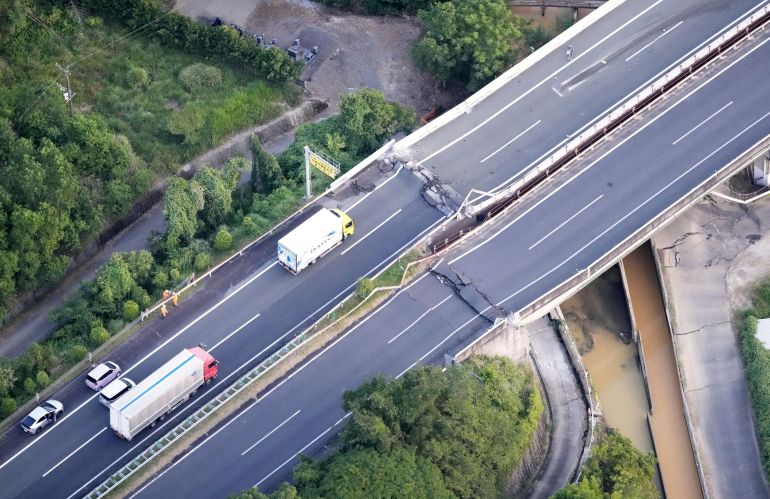
The earthquake caused widespread disruption across the region. Roads experienced damage, power outages affected tens of thousands of households, and transportation services were temporarily suspended while engineers inspected infrastructure for safety. Authorities also warned residents to remain cautious because strong aftershocks can occur after significant earthquakes.

An aerial view shows the damaged Kyushu Expressway after the earthquake in Yatsushiro, Kumamoto prefecture [Kyodo via Reuters]

Immediate Emergency Response

Japan’s disaster response system was activated almost immediately.

Emergency agencies encouraged residents in affected areas to move to designated evacuation centers if necessary, while military personnel and emergency responders were deployed to assist local authorities.

Officials reported damage to roads, bridges, and buildings in several locations. Hospitals received numerous injured individuals, and transportation networks, including Kyushu’s famous Shinkansen bullet trains, were temporarily halted to allow detailed safety inspections.

Authorities also confirmed that nearby nuclear power facilities showed no reported abnormalities following inspections, helping ease one major public concern after the earthquake.

The Mall Explosion Investigation

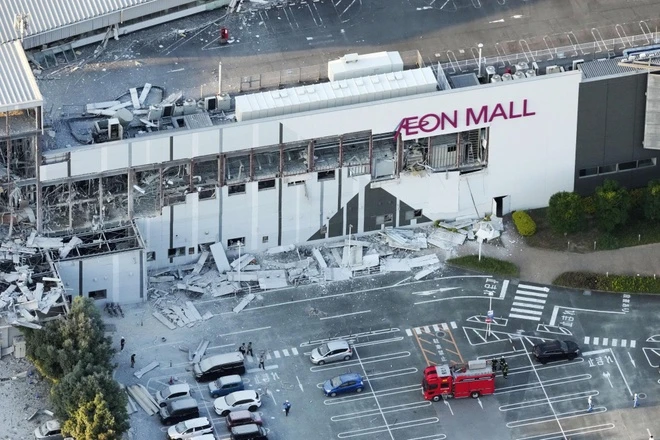
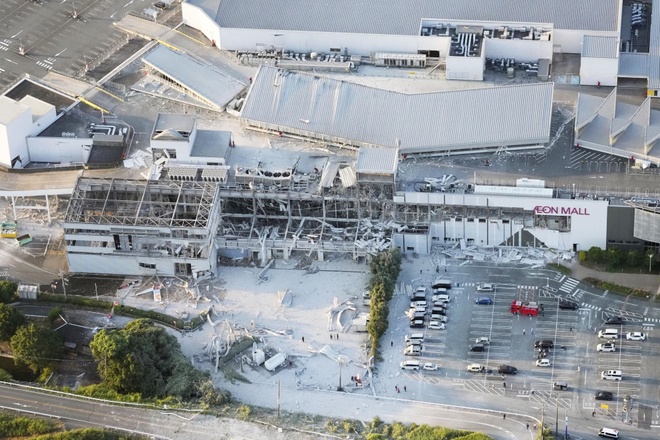
One of the most widely reported incidents following the earthquake occurred at a shopping mall in Kumamoto.

According to early reports, an explosion occurred after the earthquake, leading to structural damage inside the building. Emergency responders launched search and rescue operations while investigators examined the cause.

Initial assessments suggested the explosion may have been related to a gas leak that developed after the earthquake damaged infrastructure. Officials emphasized that investigations were ongoing and that conclusions would depend on detailed inspections.

This serves as an important reminder that secondary hazards, such as damaged utility systems, can sometimes accompany major earthquakes even after the ground shaking has stopped.

Why Japan Experiences So Many Earthquakes

Japan is one of the world’s most earthquake-prone countries because of its unique geographic location.

The nation sits along the Pacific Ring of Fire, a vast region surrounding the Pacific Ocean where several tectonic plates interact. These massive sections of Earth’s crust are constantly moving, although usually only a few centimeters each year.

Japan lies near the boundaries of four major tectonic plates:

  • Pacific Plate
  • Philippine Sea Plate
  • Eurasian Plate
  • North American Plate

As these plates gradually shift, stress builds underground. Eventually, the accumulated energy is released suddenly, producing earthquakes.

According to geological studies, approximately one-fifth of the world’s magnitude 6 or greater earthquakes occur in or near Japan, making seismic preparedness an essential part of everyday life.

INTERACTIVE Earthquake fault lines Ring of Fire plate crust-1782377358

The Science Behind Earthquakes

Modern seismology has transformed our understanding of earthquakes over the past century.

Scientists use networks of highly sensitive seismometers to detect tiny ground movements around the globe. Satellite technology also measures subtle changes in Earth’s surface following major seismic events.

Despite these advances, researchers cannot yet predict the exact time and location of future earthquakes.

Instead, scientists focus on:

  • Monitoring active fault zones
  • Studying historical earthquake patterns
  • Improving early warning systems
  • Developing stronger building designs
  • Educating communities about preparedness

Japan’s Earthquake Early Warning system can sometimes provide several seconds of notice before the strongest shaking arrives. Although brief, those seconds may allow trains to slow down, factories to halt sensitive operations, and people to take protective actions.

Earthquakes in Japanese Culture and History

Long before modern geology existed, Japanese culture developed its own explanations for earthquakes.

One well-known legend tells of Namazu, a giant catfish believed to live beneath the islands of Japan. According to folklore, the creature’s movements caused the ground to shake.

In traditional stories, the deity Kashima restrained Namazu using a sacred stone. Whenever the creature managed to move, earthquakes followed.

Today, this legend is appreciated primarily as part of Japan’s rich cultural heritage rather than as a literal explanation of seismic activity. It reflects humanity’s longstanding desire to understand powerful natural events before scientific knowledge became available.

These traditional stories continue to appear in literature, art, museums, and educational discussions about Japanese history.

Myth Versus Science

Throughout history, nearly every culture has created stories to explain earthquakes.

Some traditions describe giant animals beneath the Earth, while others attribute earthquakes to supernatural forces or spiritual messages.

From a scientific perspective, earthquakes result from the movement of tectonic plates and the release of accumulated geological stress.

Although folklore does not provide scientific explanations, it remains culturally valuable because it illustrates how earlier generations interpreted extraordinary natural events using the knowledge available at the time.

Understanding both perspectives allows us to appreciate cultural history while relying on scientific evidence for safety and preparedness.

How Japan Became a Global Leader in Earthquake Preparedness

Japan’s experience with frequent earthquakes has encouraged continuous improvements in disaster preparedness.

Modern buildings often incorporate flexible engineering techniques that allow structures to move safely during shaking rather than resisting movement rigidly.

Schools regularly conduct earthquake drills, helping children learn appropriate protective actions from an early age.

Public transportation systems include automatic emergency protocols that respond rapidly when earthquakes are detected.

Local governments also maintain emergency shelters, stockpiles of supplies, and detailed evacuation plans designed to support communities during emergencies.

While no country can eliminate earthquake risk entirely, preparedness can significantly reduce disruption and improve public safety.

Động đất ở Nhật làm sập trung tâm thương mại, hàng chục ...

Economic and Infrastructure Effects

Large earthquakes affect much more than buildings.

Transportation interruptions can delay travel, supply chains may slow temporarily, and businesses often pause operations while inspections are completed.

Following the Kumamoto earthquake, several major companies temporarily evacuated employees or inspected facilities before resuming operations.

Power outages affected thousands of households, while airport operations and railway services experienced temporary suspensions during safety assessments.

These precautionary measures demonstrate how modern infrastructure prioritizes public safety during natural disasters.

What Residents Should Remember After a Major Earthquake

Emergency officials typically encourage residents to remain alert after a significant earthquake because aftershocks are common.

General preparedness recommendations include:

Keeping emergency supplies readily available.

Following updates from official emergency management agencies.

Avoiding damaged buildings until authorities declare them safe.

Checking on family members and neighbors when conditions allow.

Using reliable information sources instead of rumors circulating online.

Prepared communities often recover more efficiently because residents understand established emergency procedures.

Can Earthquakes Ever Be Predicted?

This question continues to fascinate scientists and the public alike.

Researchers around the world are investigating possible indicators, including subtle ground deformation, underground fluid movement, and changes in seismic activity.

However, current scientific evidence indicates that accurately predicting the precise timing of an earthquake remains beyond today’s capabilities.

Instead, the greatest advances have come through improved monitoring, better engineering, public education, and faster emergency communication systems.

These practical measures have saved countless lives and continue to improve each year.

Lessons from the Kumamoto Earthquake

The 2026 Kumamoto earthquake serves as another reminder that nature remains both powerful and unpredictable.

At the same time, it highlights the value of preparedness, resilient infrastructure, scientific research, and community cooperation.

Japan’s emergency response demonstrates how decades of planning, engineering innovation, and public education can help societies respond effectively when natural hazards occur.

As investigations continue and recovery efforts progress, valuable lessons from this event will likely contribute to future improvements in earthquake safety and disaster management.

Nhiều người mắc kẹt trong trung tâm thương mại sau động đất ở Nhật Bản |  Znews.vn

Conclusion

Earthquakes have inspired myths, legends, scientific discoveries, and engineering innovations throughout human history. From the ancient story of the Namazu catfish to today’s sophisticated seismic monitoring systems, humanity has continually searched for ways to understand the forces beneath our feet.

While science has answered many questions about why earthquakes occur, some aspects of Earth’s complex geological processes remain active areas of research. This balance between knowledge and mystery continues to inspire curiosity, encouraging scientists to improve forecasting methods while reminding us of the importance of preparedness.

The recent Kumamoto earthquake reinforces that resilience is built not only through technology but also through informed communities, thoughtful planning, and a shared commitment to helping one another during challenging times. Human curiosity has always driven us to seek answers, and each new discovery brings us one step closer to better understanding the remarkable planet we call home.

Sources

Al Jazeera. People feared dead in Japan after magnitude 7.1 quake causes blast at mall.

Japan Meteorological Agency (JMA). Earthquake information and seismic monitoring.

United States Geological Survey (USGS). Earthquake Hazards Program.

Encyclopaedia Britannica. Ring of Fire.

National Geographic. How Earthquakes Work.


Teen hospitalized after jumping from bridge, landing in rocks instead of lake below

by


Warm weather often draws people to lakes and rivers for swimming, boating, and other outdoor activities. In some locations, bridge jumping has become an unofficial tradition despite posted warning signs.

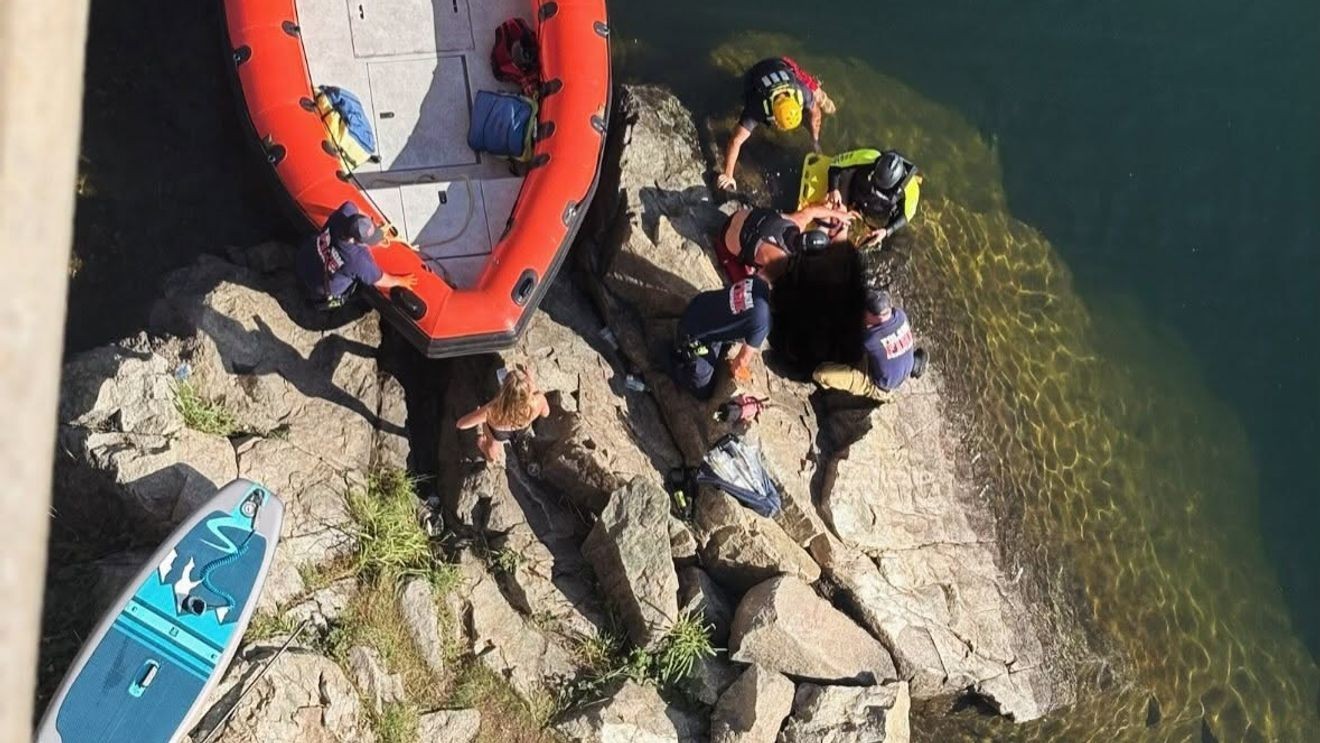
A recent rescue near Lake Natoma in Northern California serves as an important reminder that natural waterways can present hazards that are difficult to recognize from above. According to local authorities, a young woman required emergency rescue after landing on rocks instead of entering deep water during a bridge jump. Folsom Fire Department reported that rescue crews responded quickly, transported her across the river by boat, and transferred her to a hospital for medical care. The extent of her injuries has not been publicly released. Rainbow Bridge is posted with signs prohibiting jumping, yet emergency responders say incidents continue to occur.

Multiple Agencies Respond to Offshore Rescue After Boat ...

What Happened

According to reports, the individual was part of a group jumping from the bridge into Lake Natoma.

Emergency responders found her conscious and able to communicate but unable to move independently.

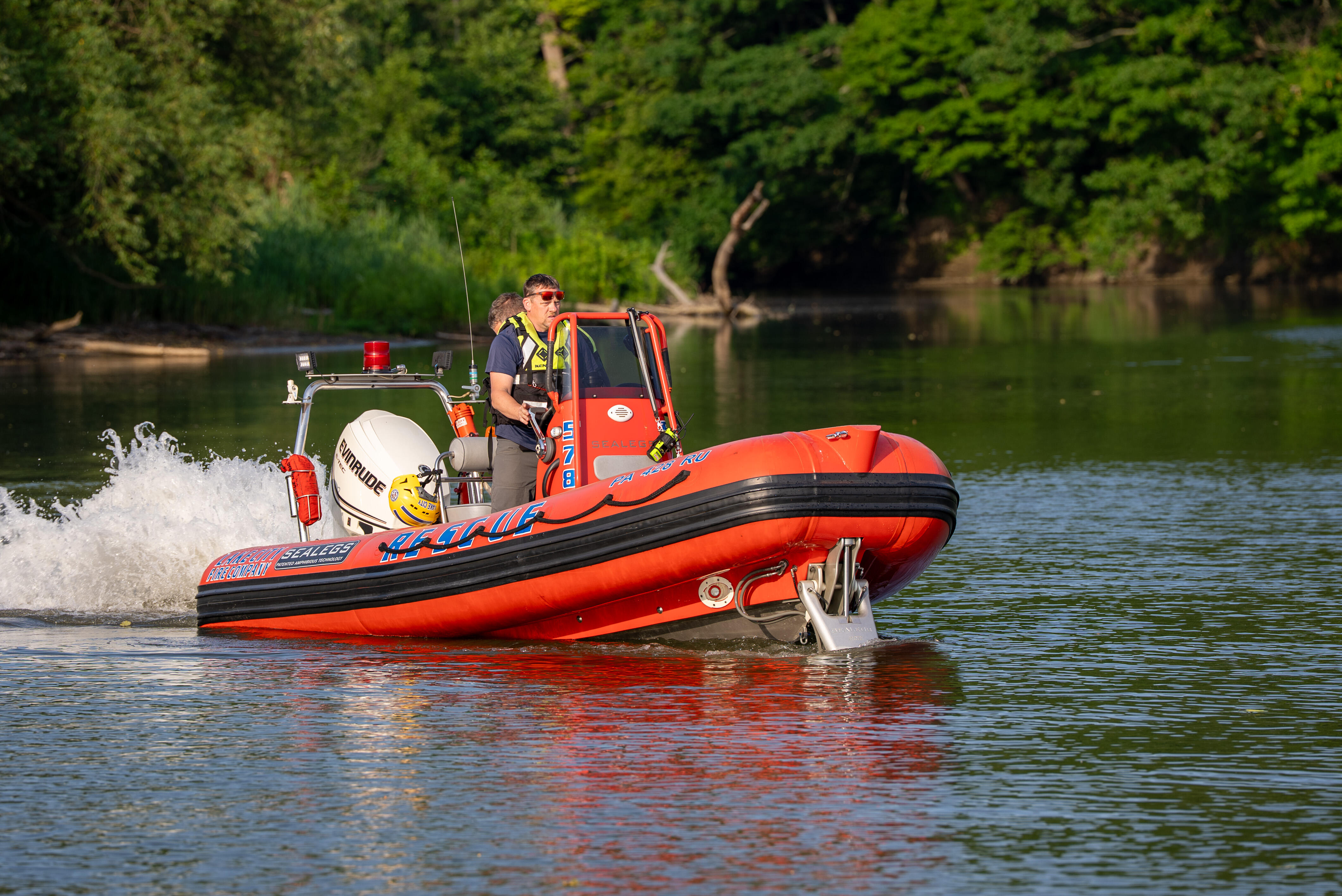
Fire crews used a rescue boat to transport her safely across the water before paramedics took her to a nearby hospital for evaluation and treatment. Authorities have not released additional medical details.

Why Bridge Jumping Can Be Dangerous

Although a body of water may appear safe from above, several hidden factors can increase risk:

  • Rocks beneath the surface
  • Changing water depth
  • Submerged tree branches
  • Strong currents
  • Cold water
  • Uneven riverbeds

Water levels can also change throughout the year because of rainfall, drought, dam operations, or seasonal conditions.

A location that appears safe based on previous visits may have changed significantly.

The Importance of Warning Signs

Public agencies install warning signs after evaluating known hazards.

These signs may reflect:

  • Previous rescue incidents
  • Shallow water
  • Underwater obstacles
  • Strong currents
  • Restricted recreation areas

Ignoring posted warnings increases the likelihood of preventable emergencies.

Why Water Depth Can Be Misleading

Estimating depth from a bridge is extremely difficult.

Sunlight, reflections, shadows, and water clarity can make shallow areas appear much deeper than they actually are.

Natural waterways are constantly changing, making visual estimates unreliable.

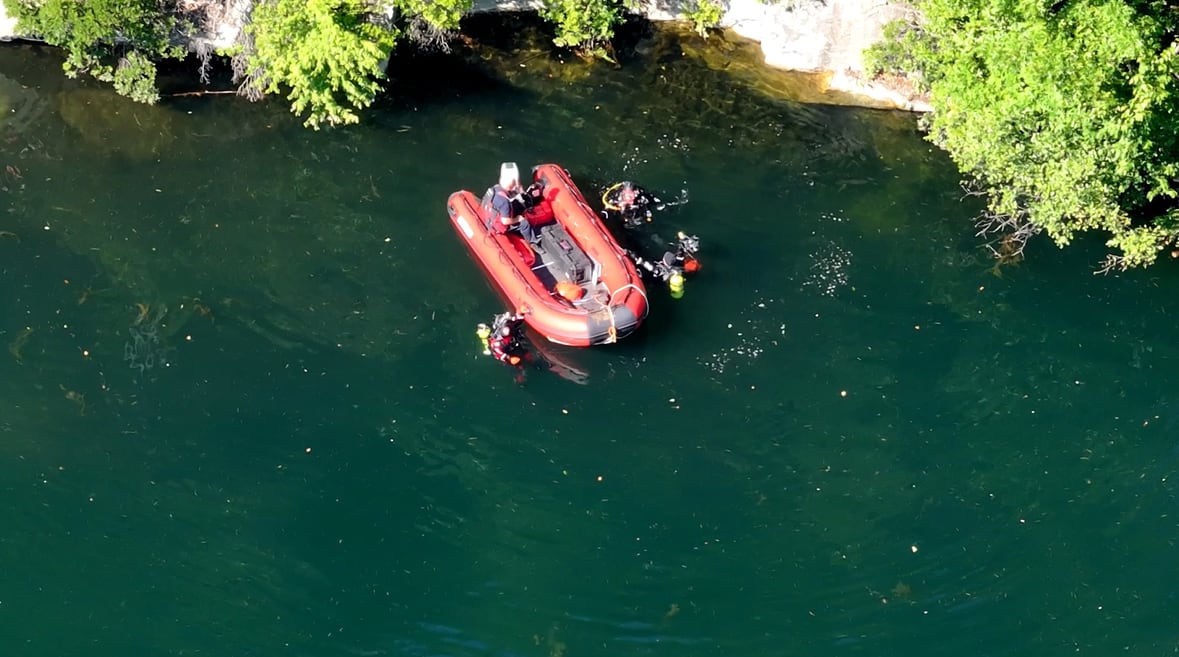
Divers find body in Milford quarry

Emergency Response in Difficult Terrai

Water rescues often require specialized teams trained in:

  • Boat operations
  • Swift-water rescue
  • Rope systems
  • Patient stabilization
  • Remote access

In this incident, rescue personnel safely transported the injured individual across the river before transferring her to waiting medical crews.

Staying Safe Around Lakes and Rivers

Outdoor recreation can remain enjoyable while reducing unnecessary risks.

Helpful safety practices include:

  • Swim only in designated areas.
  • Obey warning signs and closures.
  • Wear life jackets during boating activities.
  • Never assume water depth.
  • Avoid risky stunts or challenges.
  • Stay aware of changing conditions.

These simple precautions can significantly reduce the likelihood of accidents.

Frequently Asked Questions

Why do authorities prohibit bridge jumping?

Restrictions are usually based on known hazards such as shallow water, submerged rocks, changing currents, or previous rescue incidents.

Can water depth change?

Yes. Rivers and lakes change throughout the year due to weather, seasonal runoff, and water management practices.

Why is cold water a concern?

Cold water can affect muscle function and breathing, making it more difficult to swim or respond effectively in an emergency.

What should someone do if they witness a water emergency?

Call local emergency services immediately. Avoid entering hazardous water unless you have appropriate rescue training and equipment, as additional rescuers can also become victims.

A Reminder That Natural Areas Deserve Respect

Lakes and rivers provide wonderful opportunities for recreation, but they are dynamic natural environments rather than controlled swimming pools.

Recognizing hazards, following posted guidance, and making cautious decisions can help ensure outdoor adventures remain enjoyable for everyone.

Recovery efforts underway after drowning at Milford quarry – Boston 25 News

Conclusion

The recent rescue at Rainbow Bridge illustrates how quickly recreational activities can become emergencies when hidden hazards are underestimated. While authorities have not released details about the young woman’s recovery, the incident reinforces an important public safety message: warning signs exist for good reason.

Whether visiting a familiar swimming spot or exploring somewhere new, taking a few moments to assess conditions and follow local safety guidance can make a meaningful difference. Respecting natural waterways helps protect both visitors and the emergency responders who may be called upon when accidents occur.

Sources

  • Folsom Fire Department – Incident information shared by the department.
  • Centers for Disease Control and Prevention – Water safety guidance.
  • American Red Cross – Water safety recommendations.
  • Local news reporting by Local 12 and regional California news outlets covering the rescue incident.


Strong Earthquake Strikes Parts of Southeast Asia as Communities Respond with Resilience

by


There are moments when the ground beneath our feet reminds us that the Earth is constantly changing. A quiet morning can suddenly be interrupted by a gentle vibration—or, in some cases, a powerful tremor that prompts entire communities to pause, seek safety, and support one another.

A recent earthquake that affected parts of Myanmar, China’s Yunnan Province, and northern Thailand once again highlighted the importance of preparedness in one of the world’s most seismically active regions. While emergency responders quickly mobilized and communities demonstrated remarkable resilience, the event also encouraged many people to learn more about why earthquakes happen and how individuals can prepare for them.

Throughout history, earthquakes have inspired myths, religious interpretations, and scientific investigation. Today, modern geology offers a clear explanation of these natural events, while local traditions continue to reflect humanity’s long-standing fascination with the powerful forces shaping our planet.

This article explores the science of earthquakes, the cultural perspectives that have surrounded them, practical preparedness strategies, and how communities recover together after seismic events.

What Happened During the Recent Southeast Asia Earthquake?

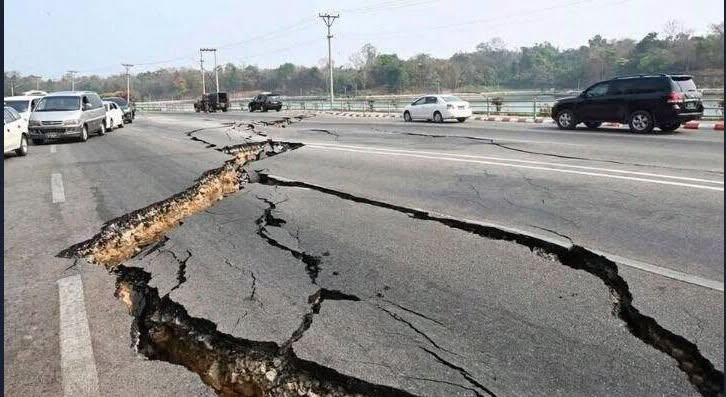
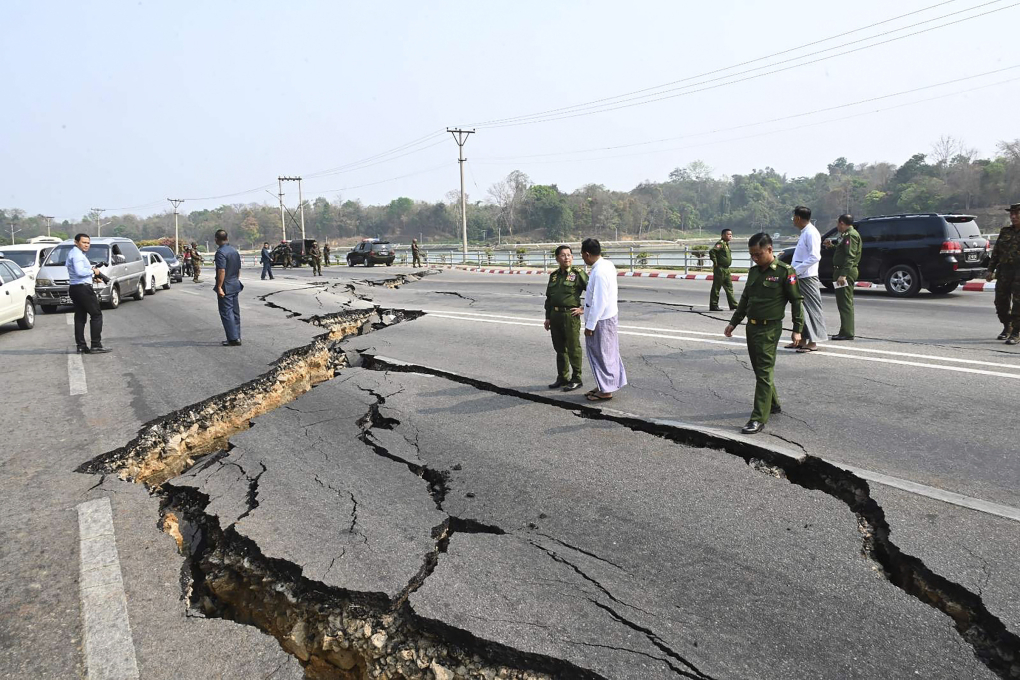
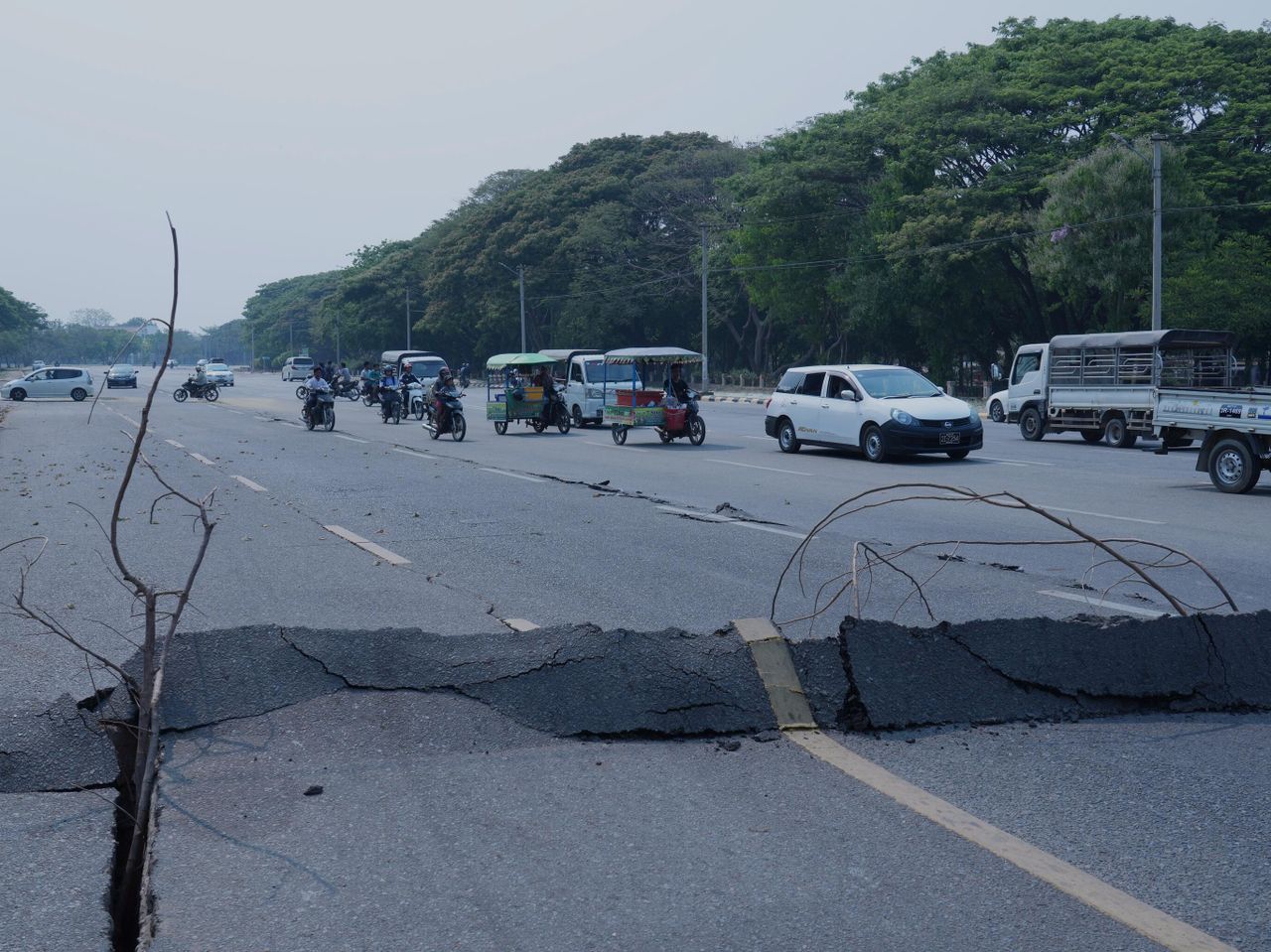
A strong earthquake was felt across several areas of Southeast Asia, with significant shaking reported near Lashio in Myanmar and noticeable tremors extending into China’s Yunnan Province and parts of northern Thailand.

As is common after earthquakes, local authorities initiated emergency response procedures that included:

  • Structural safety inspections
  • Temporary evacuations where necessary
  • Medical assistance
  • Infrastructure assessments
  • Public safety communications

Although earthquakes cannot be prevented, coordinated emergency response helps reduce risks and supports affected communities during the immediate aftermath.

Động đất Myanmar có tốc độ siêu thanh, tạo 'vết sẹo' 400 km ...

Why Southeast Asia Experiences Frequent Earthquakes

Southeast Asia lies within one of Earth’s most geologically active regions.

Several major tectonic plates interact in this area, including:

  • The Indian Plate
  • The Eurasian Plate
  • The Sunda Plate
  • The Burma Microplate

These enormous sections of Earth’s crust move slowly over millions of years.

When pressure builds along faults and is suddenly released, the resulting energy travels through the ground as seismic waves, producing an earthquake.

This geological activity explains why countries throughout the region experience earthquakes more frequently than many other parts of the world.

Understanding Plate Tectonics

Modern geology explains earthquakes through the theory of plate tectonics.

Earth’s outer shell consists of numerous massive plates floating atop a slowly moving layer of hot rock beneath the surface.

These plates may:

  • Move toward one another
  • Pull apart
  • Slide past each other

Movement occurs only a few centimeters each year.

However, enormous pressure accumulates over time.

When the rocks can no longer withstand the stress, they suddenly shift.

That rapid movement releases tremendous energy that radiates outward as seismic waves.

Different Types of Earthquakes

Not every earthquake forms in the same way.

Scientists classify earthquakes according to their geological causes.

Tectonic Earthquakes

These are the most common and occur due to movement along faults between tectonic plates.

Volcanic Earthquakes

These are associated with volcanic activity and the movement of magma beneath the Earth’s surface.

Induced Earthquakes

Human activities such as reservoir construction, mining, or geothermal energy extraction can occasionally trigger smaller seismic events.

The recent earthquake in Southeast Asia is consistent with tectonic activity in the region.

How Earthquakes Are Measured

Earthquakes are recorded using instruments called seismometers.

Scientists describe earthquakes using two primary measurements.

Magnitude

Magnitude measures the amount of energy released at the earthquake’s source.

Today, the Moment Magnitude Scale (Mw) is widely used.

Intensity

Intensity describes how strongly the shaking is experienced at different locations.

The Modified Mercalli Intensity Scale considers:

  • Human observations
  • Building effects
  • Ground movement

Two people in different cities may experience very different shaking from the same earthquake.

Vì sao Myanmar dễ gặp động đất mạnh? | Báo Dân trí

Why Some Areas Experience More Damage Than Others

Earthquake damage depends on several important factors beyond magnitude.

These include:

Distance from the Epicenter

Locations closer to the epicenter generally experience stronger shaking.

Building Design

Modern earthquake-resistant construction often performs much better than older structures.

Local Soil Conditions

Soft soils may amplify ground motion compared with solid bedrock.

Population Density

More densely populated areas may face greater challenges during emergency response.

The Importance of Emergency Response

Following significant earthquakes, emergency responders play a critical role.

Their responsibilities often include:

  • Search and rescue
  • Medical care
  • Building inspections
  • Road clearance
  • Shelter coordination
  • Utility restoration

Many countries also rely on trained volunteers who assist with logistics, communication, and community support.

Rapid organization helps reduce confusion while protecting public safety.

Community Resilience After an Earthquake

One of the most inspiring aspects of natural disasters is the way communities often come together.

Neighbors assist one another by:

  • Sharing supplies
  • Checking on older adults
  • Offering temporary shelter
  • Providing emotional support
  • Helping clean damaged areas

Social cooperation often becomes one of the strongest tools during recovery.

Research consistently shows that connected communities tend to recover more effectively after disasters.

Earthquakes in History and Cultural Traditions

Long before modern seismology, people sought explanations for earthquakes through myths and cultural beliefs.

In Japanese folklore, a giant catfish called Namazu was believed to live beneath the islands. According to legend, when the creature moved, earthquakes followed.

Ancient Greek philosopher Aristotle suggested that underground winds caused earthquakes.

In several Southeast Asian traditions, earthquakes were sometimes interpreted as signs of changes within nature or reminders of humanity’s relationship with the Earth.

These historical beliefs reflect humanity’s desire to understand natural events before scientific explanations became available.

Today, geology provides evidence-based understanding while these cultural stories remain valuable parts of local heritage.

Why Aftershocks Occur

Many people are surprised that earthquakes are often followed by additional shaking.

These smaller events are called aftershocks.

Aftershocks occur because the Earth’s crust continues adjusting after the initial rupture.

They may continue for:

  • Days
  • Weeks
  • Months
  • Occasionally longer after major earthquakes

Although most aftershocks are smaller than the main event, some can still be strong enough to cause additional damage to already weakened structures.

Động đất kinh hoàng ở Myanmar, ảnh hưởng khắp châu Á

Earthquake Preparedness at Home

Preparedness significantly improves safety during earthquakes.

Experts recommend creating a household emergency plan.

Important preparations include:

Build an Emergency Kit

Include:

  • Drinking water
  • Nonperishable food
  • Flashlights
  • Batteries
  • First-aid supplies
  • Prescription medications
  • Portable phone charger

Secure Heavy Furniture

Bookshelves, televisions, and cabinets should be anchored when appropriate.

Identify Safe Locations

Inside your home, safer locations may include areas beneath sturdy tables or desks and away from windows or heavy objects that could fall.

What To Do During an Earthquake

General earthquake safety guidance includes:

If indoors:

  • Stay where you are.
  • Take cover under sturdy furniture if available.
  • Protect your head and neck.
  • Stay away from windows.

If outdoors:

  • Move toward open spaces away from buildings, trees, and utility lines.

If driving:

  • Pull over safely away from bridges, tunnels, and overhead hazards.
  • Remain inside the vehicle until shaking stops if it is safe to do so.

Always follow instructions from local emergency management authorities.

Safety After the Shaking Stops

Once the earthquake ends:

  • Check yourself and others for injuries.
  • Be alert for aftershocks.
  • Avoid entering visibly damaged buildings.
  • Listen to official updates.
  • Report hazards when appropriate.

Remaining calm supports better decision-making.

Advances in Earthquake Monitoring

Modern technology has greatly improved earthquake detection.

Today’s monitoring systems include:

  • Global seismic networks
  • GPS measurements
  • Satellite observations
  • Automated warning systems

Some regions operate earthquake early warning systems capable of providing several seconds of notice before strong shaking arrives.

Although brief, these warnings may allow people to:

  • Move to safer locations
  • Pause certain industrial operations
  • Slow trains
  • Alert emergency services

Scientists continue improving these technologies worldwide.

The Psychological Impact of Earthquakes

Recovery extends beyond rebuilding roads and buildings.

Many people experience temporary emotional responses after earthquakes, including:

  • Anxiety
  • Sleep disturbances
  • Concern during aftershocks
  • Increased stress

Support from family, friends, and community organizations often plays an important role in emotional recovery.

Access to reliable information also helps reduce unnecessary fear and uncertainty.

Building More Resilient Communities

Many countries affected by earthquakes continue investing in:

  • Stronger building codes
  • Public education
  • Emergency drills
  • Improved communication systems
  • Scientific monitoring
  • Community preparedness programs

Each earthquake provides valuable lessons that help improve future resilience.

Nhát dao khổng lồ cắt vào trái đất” ở Myanmar: Việt Nam cảnh báo động đất  thế nào? - 29.03.2025, Sputnik Việt Nam

Conclusion

The recent earthquake affecting parts of Myanmar, China, and Thailand serves as another reminder that earthquakes are natural expressions of our planet’s dynamic geology. While their occurrence cannot be prevented, scientific understanding, thoughtful planning, and effective emergency response greatly reduce their impact.

Across history, people have explained earthquakes through myths, cultural traditions, and observation. Today, geology provides clear evidence of the tectonic processes behind these remarkable events, while community preparedness continues to evolve through research and experience.

Perhaps the most enduring lesson is not only about the power of nature but also about human resilience. Every earthquake reminds us that curiosity drives scientific discovery, preparedness strengthens communities, and cooperation helps people recover together when faced with unexpected challenges.

Sources

  • United States Geological Survey (USGS)
  • International Federation of Red Cross and Red Crescent Societies (IFRC)
  • United Nations Office for Disaster Risk Reduction (UNDRR)
  • World Health Organization (WHO)
  • European-Mediterranean Seismological Centre (EMSC)
  • British Geological Survey (BGS)
  • United Nations Educational, Scientific and Cultural Organization (UNESCO)
  • National Earthquake Information Center (NEIC)

Top Ad 728x90