
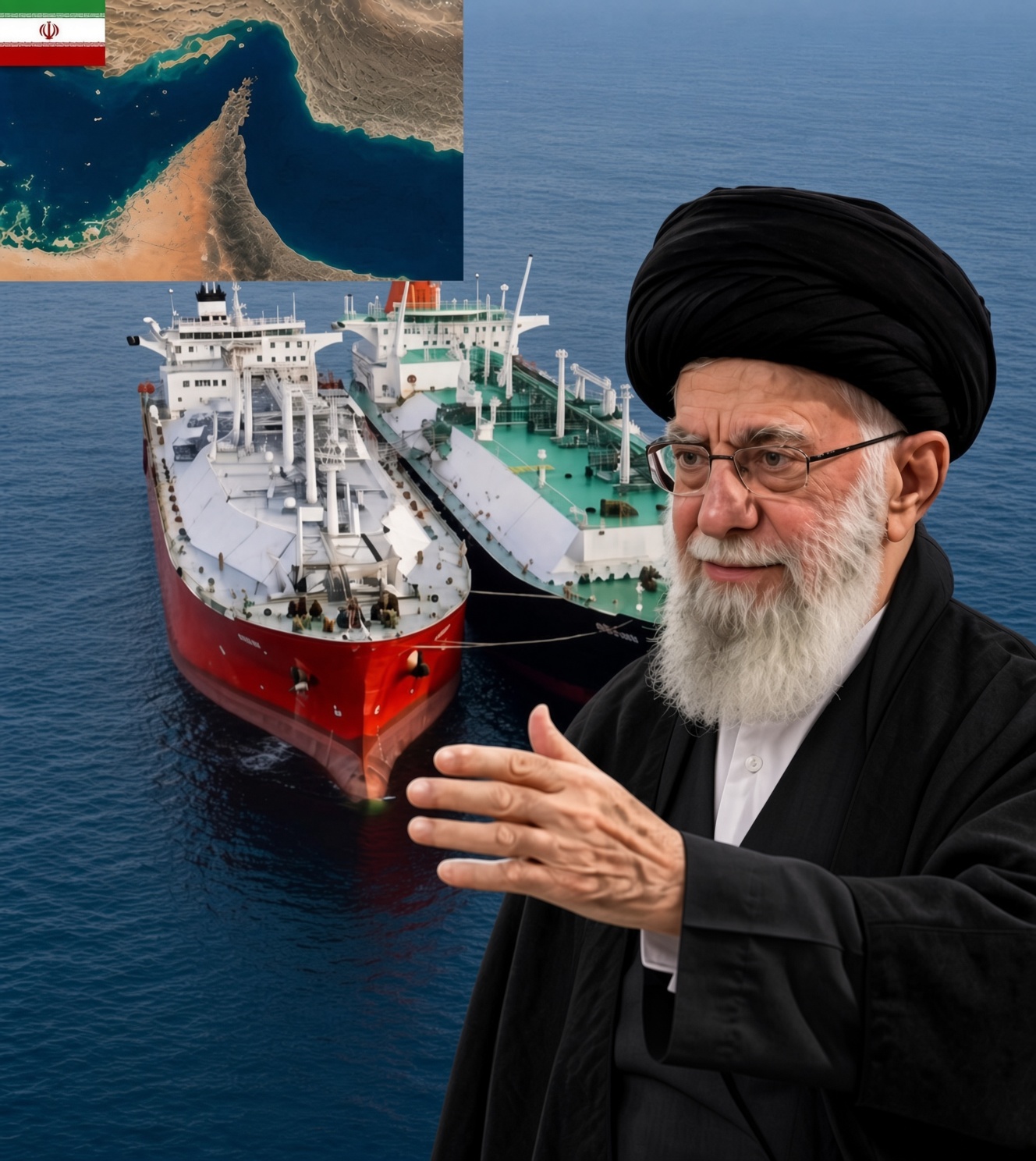
President Trump said he is entering the White House Situation Room to make a final determination on a memorandum of understanding between the United States and Iran that remains unsigned.
White House officials confirmed yesterday that US and Iran negotiators had reached a preliminary agreement, though Trump has not yet granted final approval. Iran has denied accepting the terms, and Israeli officials believe Supreme Leader Mojtaba Khamenei has not signed off on the accord.
Trump’s Stated Conditions
Trump outlined specific demands on Truth Social, stating “Iran must agree that they will never have a nuclear weapon or bomb” and that the Strait of Hormuz “must be immediately open, no tolls, for unrestricted shipping traffic, in both directions.”
The president added that Iran must complete “immediate removal and/or detonation” of any water mines in the strait, which he said his administration has already cleared through underwater sweepers. “Ships caught in the Strait due to our amazing and unprecedented naval blockade, which will now be lifted, may start the process of ‘heading home!'” Trump wrote.
Trump also demanded that highly enriched uranium stockpiles be identified and destroyed through coordination with Iran and the UN’s International Atomic Energy Agency. “No money will be exchanged, until further notice,” he added, referring to sanctions relief tied to the agreement.
The Ceasefire Extension
Reports emerged this week that the United States and Iran agreed to extend their ceasefire for 60 additional days while nuclear negotiations continue. The arrangement follows weeks of military tensions that included US strikes on Iranian targets and exchanges involving Iran and several Gulf states.
Tehran has not publicly indicated acceptance of Trump’s core demand that Iran permanently renounce nuclear weapons development. The ceasefire extension suggests both nations currently prefer continued diplomacy over renewed military confrontation.
What This Means
The preliminary accord preserves an existing stalemate marked by fragile ceasefires, diplomatic talks, and persistent disagreements over Iran’s nuclear program. The broader conflict began in late February following joint US-Israeli military operations targeting senior Iranian officials and military infrastructure.
This story has been updated. CNN’s Diplomatic Correspondent contributed to this report.


0 commentaires:
Enregistrer un commentaire