
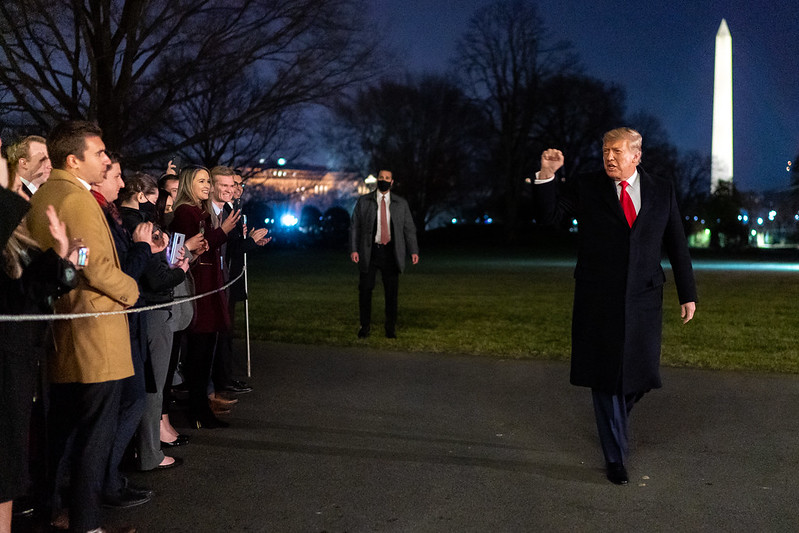
Less than two hours before 50 percent tariffs were set to take effect on nearly $20 billion in Canadian imports, Canada blinked. Trump pushed the deadline back three days while the paperwork is finalized. He declared “a DEAL” and dropped the line that should have every environmentalist reaching for their fainting couch: “The great Keystone XL Pipeline, long ago killed by Sleepy Joe Biden, may be awoken from the grave!”
This is how the tariff strategy is supposed to work — and it worked. Canada spent months retaliating against American liquor producers, pulling U.S. bottles from provincial store shelves while continuing to sell competing products from other countries.
It maintained dairy quotas that blocked American cheese. It imposed vehicle tariffs on American automobiles and auto parts. The Biden administration’s response to all of this was — as with most things — to accept the unfair treatment and call it diplomacy.
Trump’s response was Section 338 of the Tariff Act of 1930. No president had ever actually used this provision before — it allows duties up to 50 percent on any country found to be discriminating against American commerce. Trump pulled it off the shelf, aimed it at Canada, set a midnight deadline, and watched Prime Minister Mark Carney suddenly discover he was interested in talking.
The deal, as Trump described it, covers more access for American goods, economic security measures, digital trade rules, and protections for American workers. Canada has until 12:01 AM Saturday to deliver. If it doesn’t, the tariffs snap back automatically. Trump doesn’t have to do a thing.
That last detail is the one critics of the tariff strategy never want to acknowledge. Trump doesn’t need to hold his position indefinitely. He just needs to be credible about it long enough for the other side to calculate that the cost of continued defiance exceeds the cost of making a deal. Canada made that calculation Tuesday night with two hours to spare.
Keystone XL is the prize that makes this deal historic if it holds. One of the left’s most celebrated environmental victories — canceled by Biden on his first day in office, killing thousands of American and Canadian jobs and eliminating a pipeline that would have delivered Canadian oil to American refineries with a smaller environmental footprint than the alternatives — potentially back on the table as part of a trade settlement.
Ontario Premier Doug Ford has said his province will end its American liquor ban if Canada gets a fair deal. Canada’s provinces control liquor sales, which means Carney needs provincial cooperation to actually deliver what he’s promising.
Three days. The clock is running. The tariffs are ready to snap back if Canada doesn’t perform. But for now: Canada blinked. Keystone may live. And a law sitting on a shelf since 1930 just did what no previous president was willing to make it do.
That’s leverage. That’s how America First actually works.


0 commentaires:
Enregistrer un commentaire