
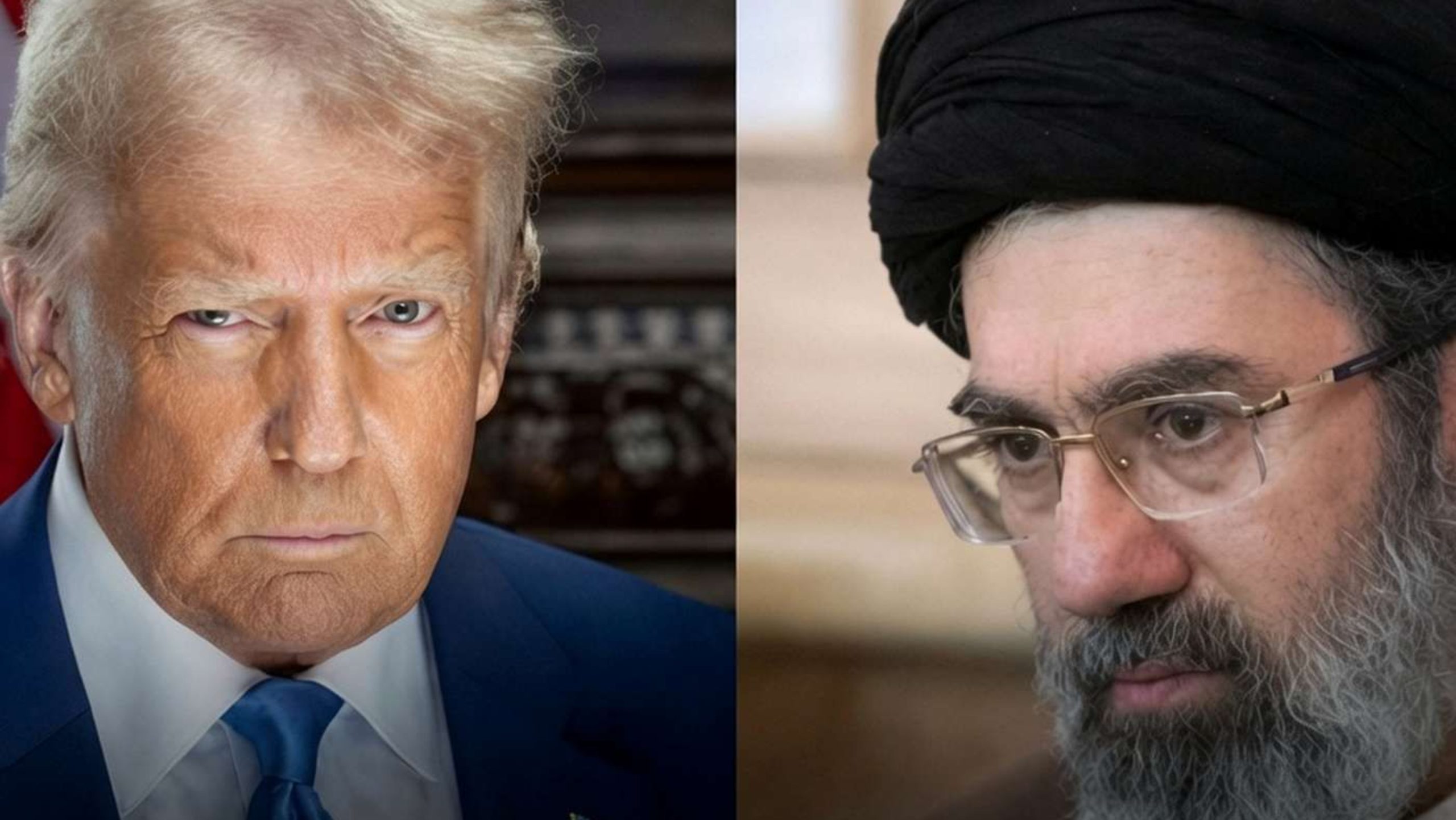
The Explosions That Could Redefine the Middle East Conflict
The first explosions shattered more than buildings. They also shattered the fragile assumption that the conflict could still be contained. As U.S. and Israeli forces reportedly launched strikes against targets inside Iran, the world confronted the possibility of a far more dangerous phase in the Middle East crisis—one that could draw in regional powers, threaten global stability and push an already volatile confrontation toward open war.
The reported strikes, described as part of an operation known as Operation Epic Fury, were presented by U.S. and Israeli officials as a major effort to degrade Iran’s military and nuclear capabilities. Officials said the attacks were designed to disrupt critical infrastructure, weaken Iran’s ability to launch future attacks and reduce the threat posed by its military systems.
Images and videos circulating online appeared to show damaged facilities, destroyed air-defense positions and the aftermath of powerful explosions. The scale of the reported strikes immediately raised questions about what would come next.
For governments across the region, the concern was no longer simply whether another exchange of fire would occur. The bigger question was whether the confrontation had crossed a threshold from limited military action into a broader regional conflict.
Iran Signals Retaliation
Iranian state media reported that some incoming missiles had been intercepted while warning that retaliation would follow. Tehran’s response added another layer of uncertainty to an already dangerous situation.
Any significant Iranian counterattack could create a chain reaction. U.S. forces and bases across the region could face heightened risks, while Israel could remain vulnerable to additional missile and drone attacks. Iran’s regional allies and armed groups could also become involved, potentially expanding the conflict well beyond the original targets.
That possibility has alarmed governments far beyond the Middle East.
European officials and diplomats in other parts of the world urged restraint, warning that continued escalation could destabilize the region and create consequences that would extend far beyond the battlefield. A wider conflict could threaten energy supplies, disrupt commercial shipping and send new waves of uncertainty through international markets.
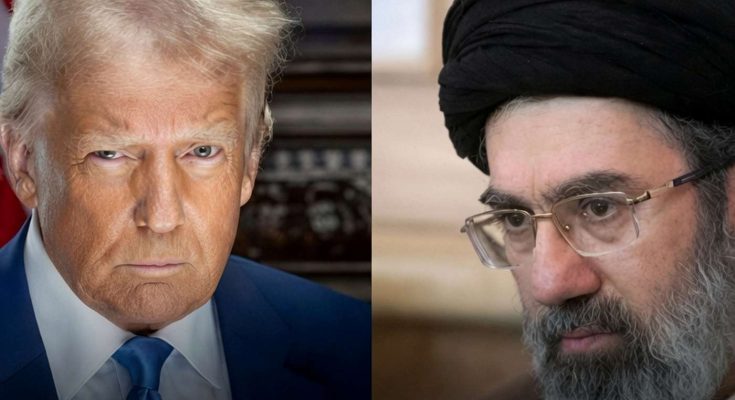
Families Wait for What Comes Next
While governments assessed military options and diplomats searched for a path toward de-escalation, ordinary people faced a much more immediate reality.
Families in Tehran, Tel Aviv and other cities were left watching the skies, checking emergency alerts and waiting for information about what might happen next. For civilians already living under the shadow of conflict, another round of strikes means more than damaged military facilities. It means disrupted lives, fear and uncertainty about whether the next explosion will be closer to home.
The reported strikes have therefore become about more than military targets. They represent a critical test of whether the region can step back from the brink—or whether retaliation will trigger another cycle of escalation.
The coming days could determine whether the latest confrontation remains a limited military campaign or becomes the beginning of a much larger war. For leaders around the world, the challenge is now clear: respond to the threat without allowing the conflict to spiral beyond anyone’s ability to control it.


0 commentaires:
Enregistrer un commentaire