
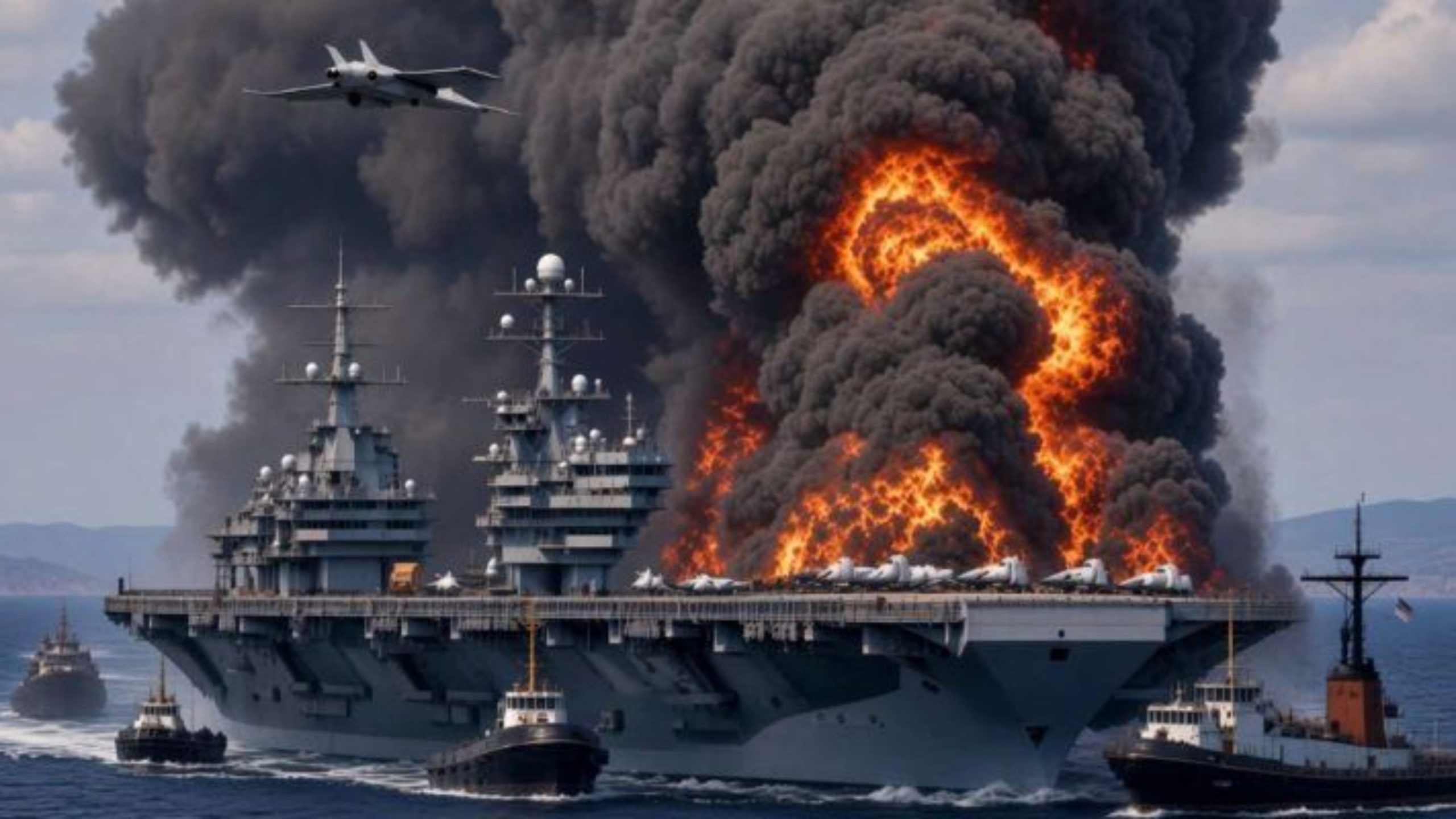
The reported attack sent shockwaves through the international community, raising urgent questions about the vulnerability of even the most heavily protected military targets.
According to preliminary reports, the strike was carried out with such speed that sophisticated defensive systems were unable to intercept the incoming threat. If confirmed, the incident could represent a significant failure of existing air-defense capabilities and potentially expose weaknesses in systems designed to protect high-value strategic facilities.
Defense analysts are now examining how the attack unfolded and whether the failure resulted from the speed of the strike, the tactics used to evade detection, limitations within the defensive systems or a combination of factors. Until governments release verified information, however, many of the details surrounding the incident remain uncertain.
That uncertainty has created another problem: speculation.
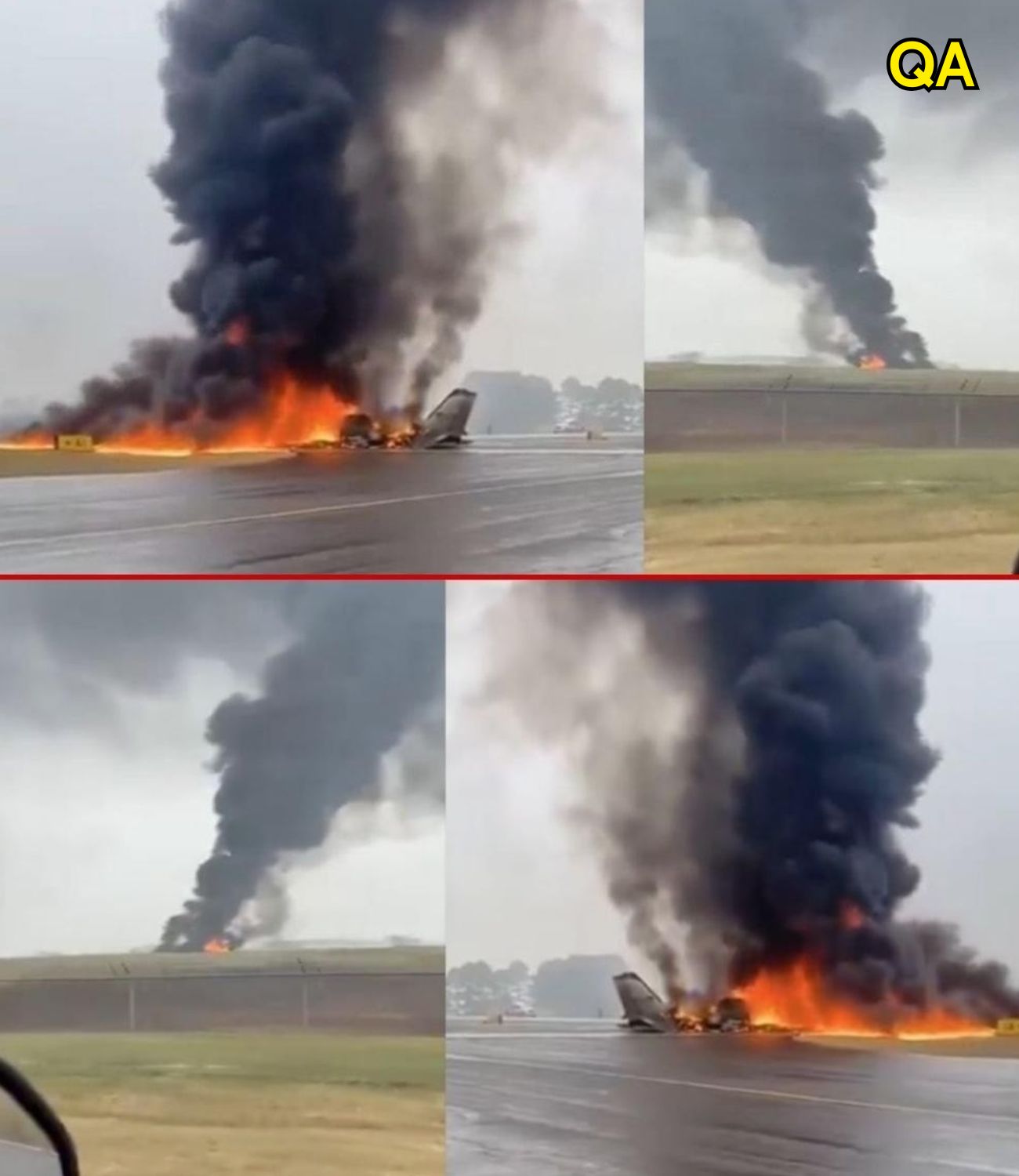
Across social media platforms, unverified claims and dramatic accounts have spread rapidly, making it increasingly difficult to separate confirmed developments from rumor. Images, videos and alleged reports have circulated widely, often without clear evidence establishing their authenticity or origin.
The information vacuum has added another layer of tension to an already volatile geopolitical situation. Officials and analysts are warning that inaccurate reports could have consequences far beyond the digital world. In a crisis involving major military powers, misinformation can influence public expectations, pressure political leaders and contribute to dangerous miscalculations.
Military Strategy Under Scrutiny
If the reported details are ultimately confirmed, the incident could have significant implications for modern military strategy.
For decades, nations have invested heavily in layered air-defense networks intended to detect, track and destroy incoming threats before they reach critical targets. A successful strike against a heavily protected facility would force military planners to reconsider how effective those defenses remain against increasingly sophisticated and rapidly executed attacks.
It could also accelerate investment in surveillance, electronic warfare, missile defense and other technologies designed to counter emerging threats. Nations watching the confrontation closely are likely to study every available detail for lessons that could shape their own defense strategies.
For now, officials and independent analysts remain cautious. The full extent of the damage, the precise methods used and the effectiveness of defensive systems cannot be reliably assessed until more verified evidence becomes available.
The world is therefore watching closely, waiting for facts to replace speculation. What initially appears to be a single military incident could ultimately become a broader test of modern warfare—and a warning that technological superiority does not eliminate vulnerability.


0 commentaires:
Enregistrer un commentaire